
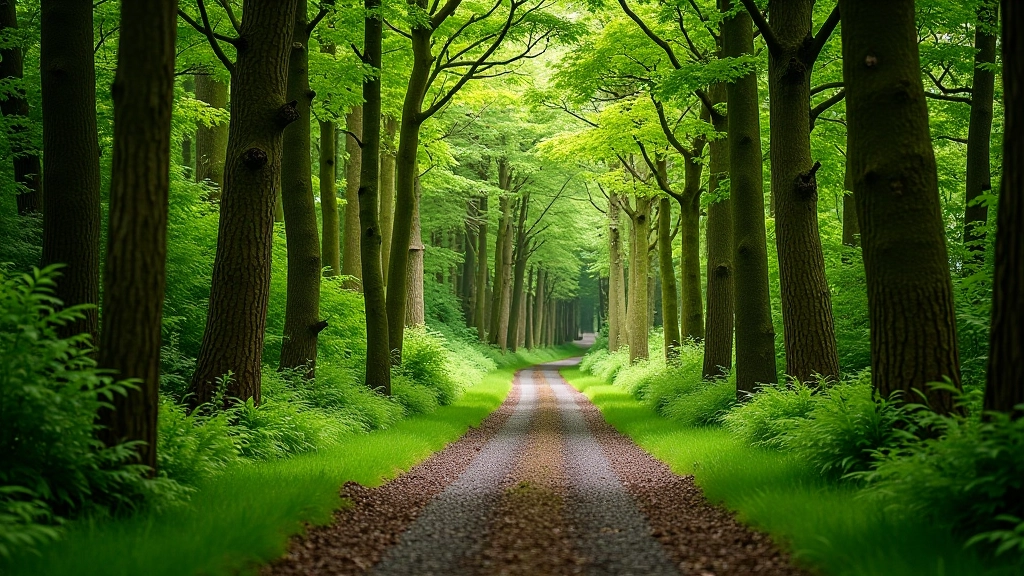
Walking Reenadinna Yew Wood Without Getting Lost
The three main loops, trail markers to look for, and why locals recommend the northern approach for quieter paths.
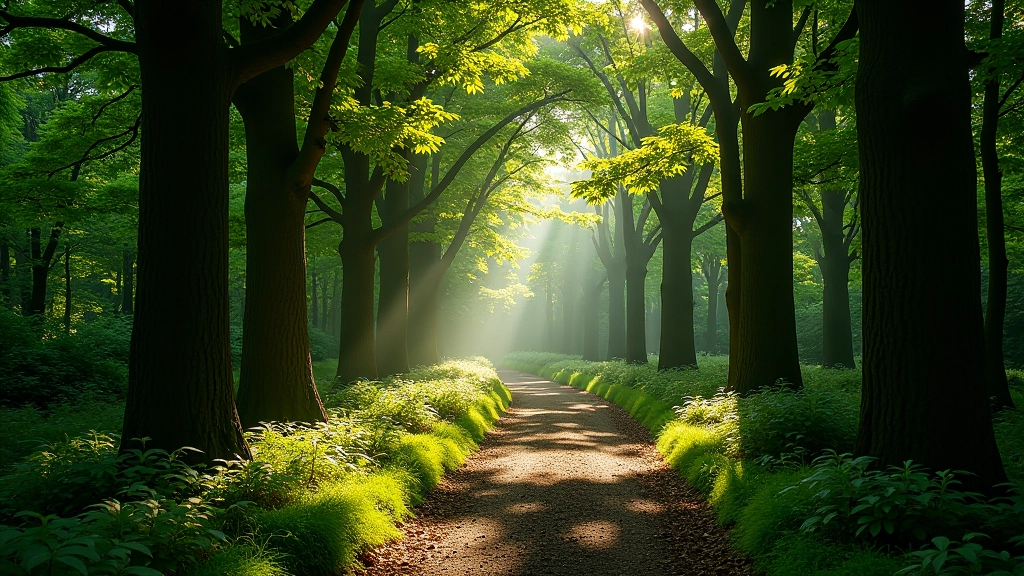
Why ancient woodlands like Reenadinna matter for your wellbeing
Walking through an old growth forest isn't just peaceful — it's actually reshaping how you feel physically and mentally. The moment you step into Reenadinna or Muckross, something shifts. Your breathing slows. Your shoulders drop. That's not coincidence. Ancient forests affect your body in measurable ways that science is only now starting to fully understand.
We're not talking about a casual stroll through any woodland. Old growth forests — trees that've been standing for decades or centuries — operate differently. The ecosystem is richer. The air quality is different. The whole environment triggers responses in your nervous system that you won't get from manicured parks or young replanted areas.
The air in old growth forests is genuinely different. It's not just cleaner — though it is. The trees release compounds called phytoncides, which are natural antimicrobial agents. When you breathe them in, they're actually strengthening your respiratory system.
Studies from Japan and South Korea (where forest bathing is taken seriously) show that regular forest walks improve lung capacity over time. Most people notice it within a few weeks. Your breathing feels easier. You're not wheezing when you climb stairs anymore. That's the forest doing real work on your system.
Ancient forests like Reenadinna have denser canopies and more established root systems filtering water and stabilizing air moisture. This means the air quality is measurably higher than younger woods. You're getting the premium version of forest air therapy.
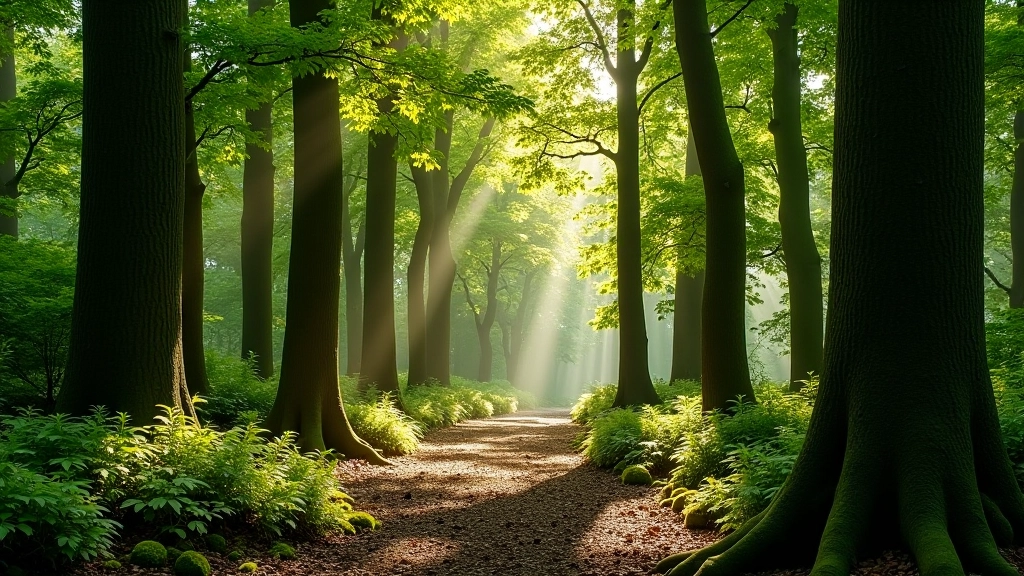
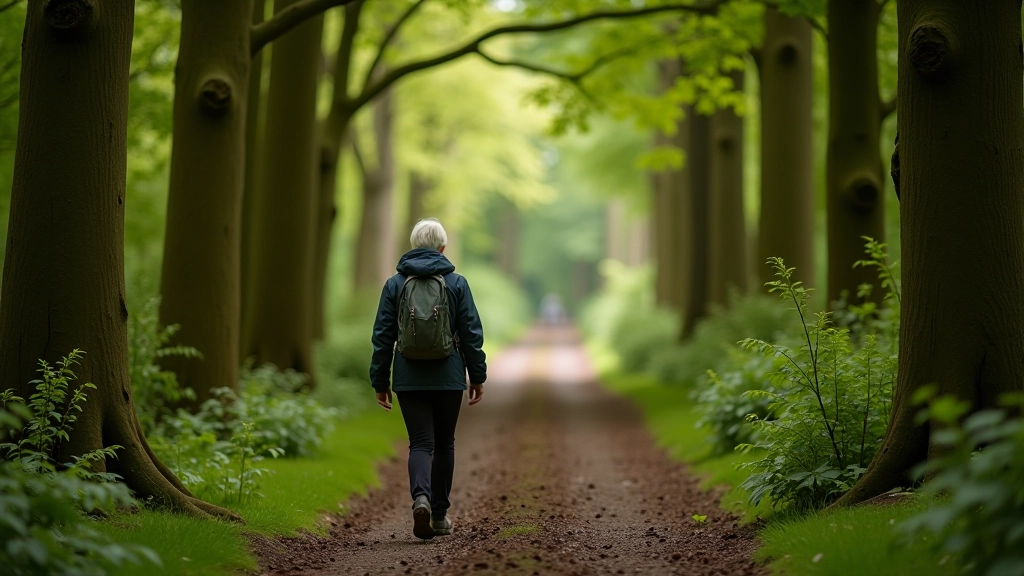
Your nervous system isn't designed for the pace of modern life. It evolved for rhythms that old growth forests actually provide — variable but predictable natural patterns. Dappled light. The sound of leaves moving. Birds. Water. These aren't distracting. They're grounding.
Walking in an ancient forest triggers your parasympathetic nervous system — the "rest and digest" mode. You're not forcing relaxation. The environment itself is pulling you into it. Cortisol levels (your stress hormone) drop noticeably within 15-20 minutes of walking. After 30 minutes, you're in a genuinely different physiological state.
The old yew trees at Reenadinna have stood for 500+ years. There's something about being around that kind of permanence. It puts human stress in perspective. Your quarterly work deadline suddenly feels less urgent when you're standing next to a tree that's been here since before electricity existed.
Walking on forest terrain is genuinely different from walking on flat pavement. Uneven ground, roots, slight elevation changes — your body's working harder than you realize. You're building stability, strengthening small muscles in your ankles and core, improving balance. All without thinking about it.
A 60-minute forest walk burns more calories than you'd expect because your body's constantly adjusting for terrain. Your heart rate stays elevated naturally without the psychological drag of "exercise." This matters. People who hate gyms often stick with forest walking because it doesn't feel punishing.
Muckross Peninsula's shade paths are specifically good for this. They're not too steep — accessible for older walkers — but they've got enough variation that your body's engaged. You're getting fitness benefits without realizing you're exercising.
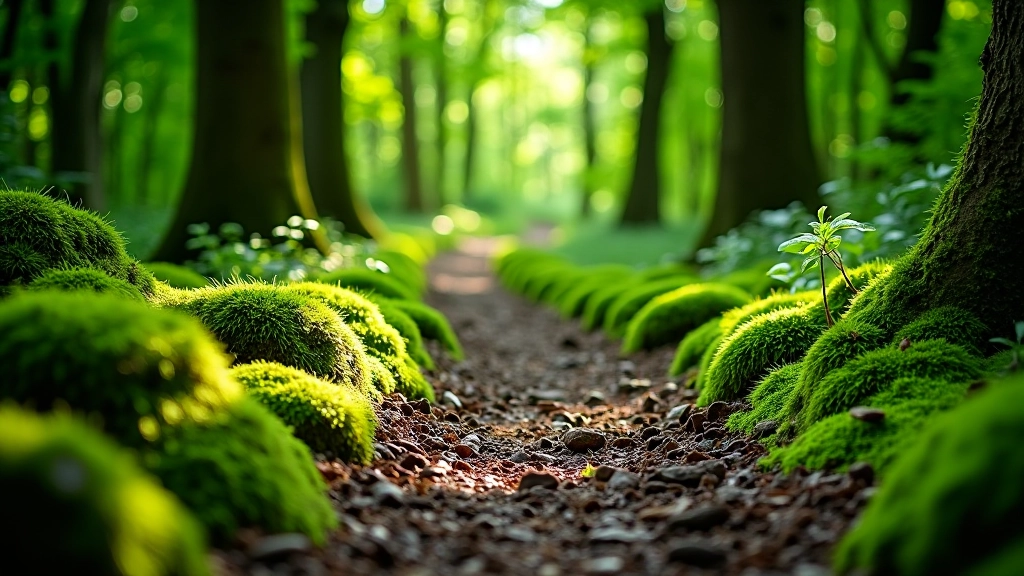
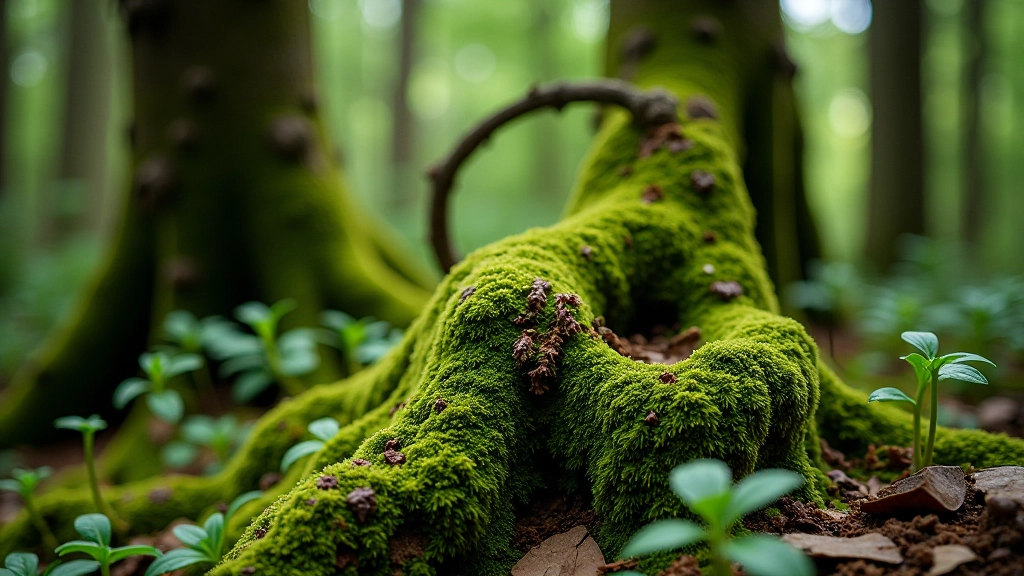
Here's something that surprises people: forest walking actually makes you think better. It's called Attention Restoration Theory, and it's not new science — it's just become mainstream recently. Your brain's attention systems are constantly depleted by digital environments. Email, notifications, visual noise. It's exhausting.
Walking in an old growth forest restores that. The soft fascination of natural complexity — branches, light patterns, sounds — engages your brain without draining it. You're not trying to focus. You're naturally engaged. After 40 minutes in a forest, you'll solve problems that've been stuck in your head for weeks. You'll have ideas. Your thinking becomes clearer.
The yew and oak woods at Reenadinna are particularly effective because they're genuinely biodiverse. There's always something to observe. A bird you don't recognize. Unusual fungi. Different shades of green at different heights. Your brain stays engaged without effort.
This article provides educational information about the general health benefits associated with forest walking and old growth forest environments. It's not medical advice, and it's not a substitute for consulting with healthcare professionals about your specific health needs or conditions. Forest environments can offer significant wellbeing benefits for many people, but individual results vary. If you have respiratory conditions, mobility concerns, or other health considerations, check with your doctor before starting a regular forest walking routine. Safety on forest trails is your responsibility — wear appropriate footwear, bring water, and tell someone where you're going.
You don't need to overhaul your entire routine. Start with one walk every two weeks at Reenadinna or Muckross. Thirty minutes minimum — that's when you'll really start noticing the effects. After 4-6 weeks of regular walking, the benefits compound. Your body expects it. Your nervous system craves it. You'll find yourself prioritizing these walks because they feel that good.
Ancient forests are genuinely healing environments. The science backs it up. The experience confirms it. You're not wasting time. You're doing something measurably good for your health — respiratory, cardiovascular, mental, emotional. All of it. And you're doing it in one of Ireland's most beautiful settings. That's not a bad deal.

Author
Senior Woodland Heritage Writer
Woodland ecologist and heritage writer with 14 years' experience in Irish forest conservation and accessible nature tourism.
Continue exploring woodland walks and forest experiences
The three main loops, trail markers to look for, and why locals recommend the northern approach for quieter paths.
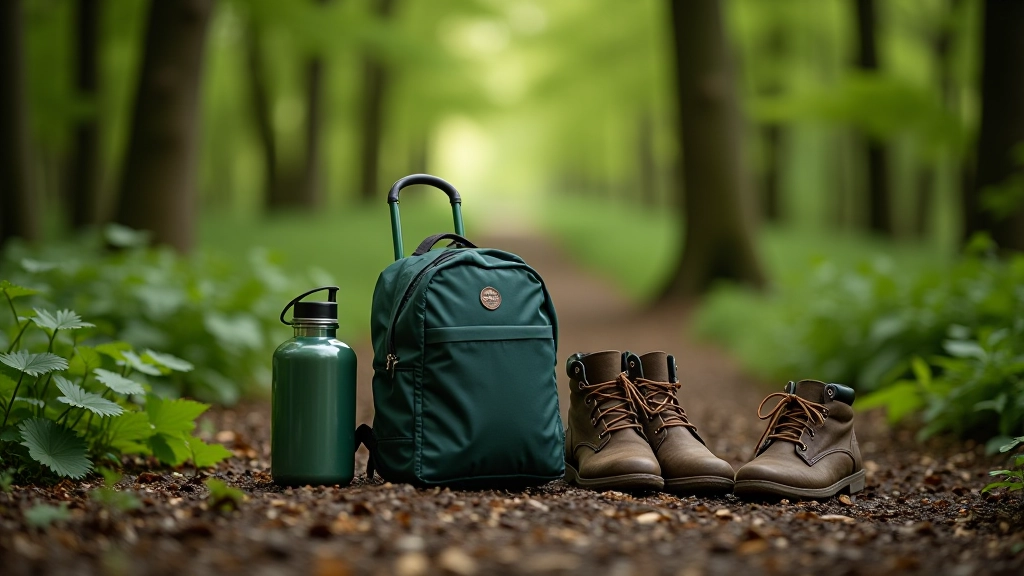
Practical packing list including water, comfortable shoes, what to wear for changing weather, and navigation tools.
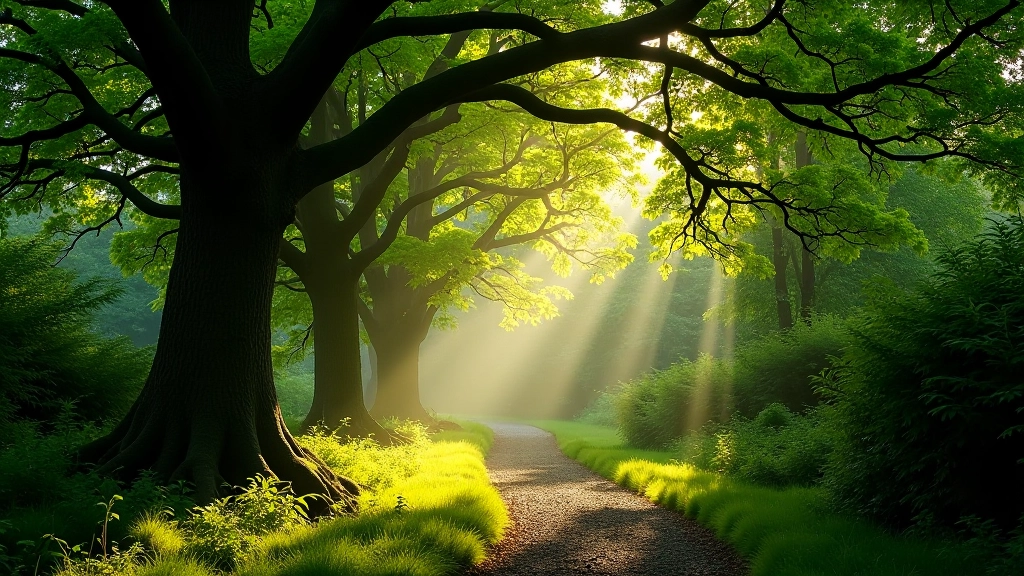
How to capture the mood of shade paths — camera settings for dappled light, timing for best conditions, composition techniques.