
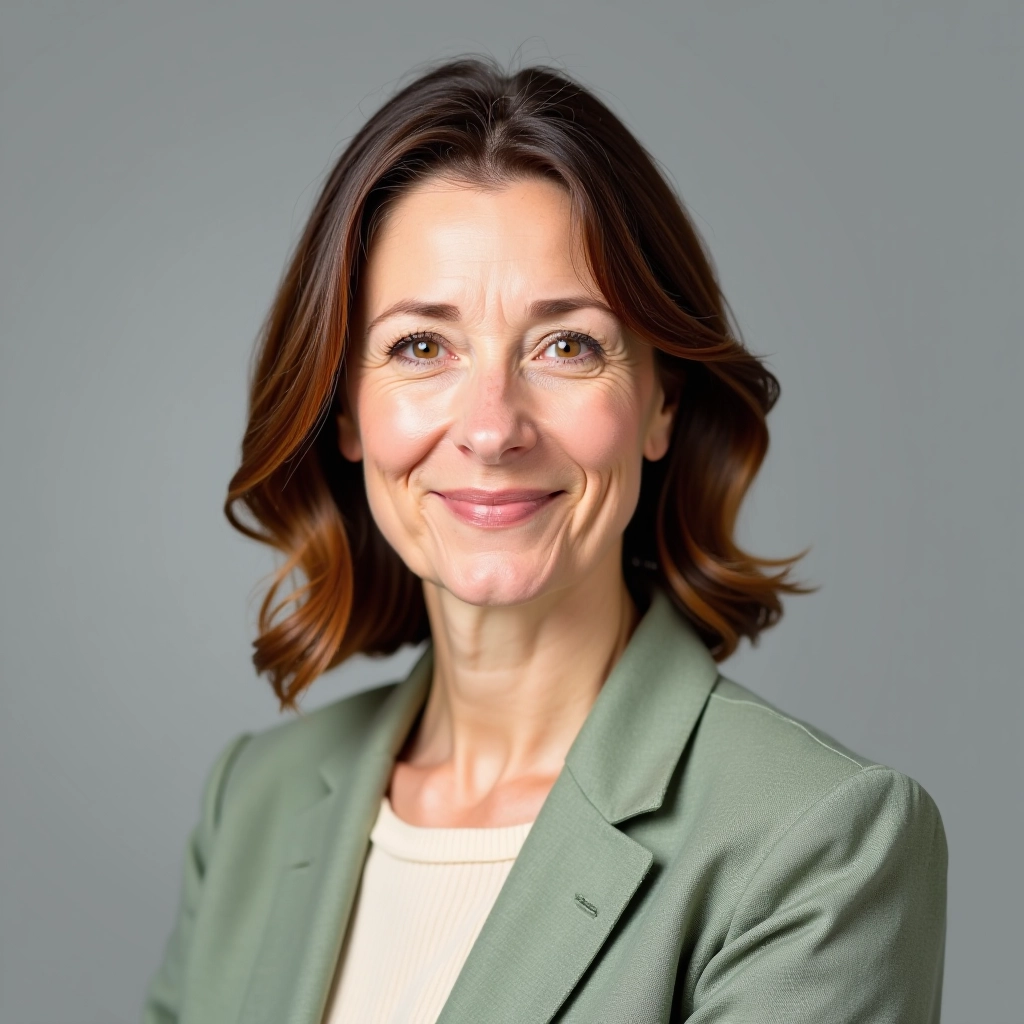
Síle O'Sullivan
Documenting ancient yew forests and creating accessible nature experiences for visitors seeking peace and restoration among Kerry's woodland heritage.
Expertise & Experience
Deep knowledge of woodland ecology, heritage conservation, and creating meaningful outdoor experiences for older adults
What draws you to yew woodland conservation?
Honestly, it's personal. Growing up in rural Kerry, I spent countless hours walking forest paths near my family home in the Dingle Peninsula. Those quiet woods became my refuge. When I studied Environmental Science at UCC, I realized how threatened these ancient ecosystems actually are — and how few people understand their ecological or cultural importance. Yew forests aren't just beautiful spaces. They're living connections to Ireland's pre-Christian past, with trees that've been standing for centuries. That's worth protecting.
How did your work shift toward retirement and accessibility?
A turning point came in 2017. My mother retired and wanted to spend time outdoors, but she struggled to find woodland spaces that felt genuinely restful and manageable. Most walking guides cater to young, fit hikers. There's little for people seeking slower, shaded paths without steep terrain. I started researching how older adults actually experience and benefit from forest environments — and I found the evidence compelling. Shade paths in ancient woodlands reduce heat stress, the filtered light eases eye strain, and the quiet rhythm of walking among old growth trees measurably improves wellbeing. That inspired me to pivot my conservation work toward accessibility.
What makes Reenadinna and Muckross special for visitors?
Both sites have native yew woodlands with genuine old-growth trees — some over 500 years old. Reenadinna offers more intimate, manageable paths through dense shade. It's quieter, less trafficked, perfect for people wanting solitude. Muckross Peninsula has broader walking options with water views, slightly more elevation change, but still accessible. The real difference is the light quality. Walking beneath yew canopy is different from other forests. The shade is cool and even, the air feels different. And there's a sense of timelessness that visitors really respond to. I've seen people who've been stressed or anxious actually slow down in these spaces.
What research have you published?
I've contributed to several conservation reports through the Heritage Council, focusing on yew forest biodiversity and sustainable tourism management. My more recent work examines "shade-path accessibility" — essentially, how to design woodland trails that work for people with different mobility levels and health needs. I've also published in outdoor recreation journals about the measurable health outcomes of woodland walking for older adults. The research shows consistent benefits: lower cortisol levels, improved balance and proprioception, better sleep patterns. It's not just about feeling good in nature — it's about concrete health improvements.
What's your approach at buyencinitas Ltd?
I lead content creation around sustainable tourism and forest heritage. That means writing about these woodlands in ways that respect their ecological fragility while encouraging responsible visitation. We're not trying to get thousands of people flooding into Reenadinna. We're creating detailed guides for people who'll appreciate the space, spend time there thoughtfully, and leave it untouched. Content strategy here focuses on education first — understanding why these forests matter, how to walk responsibly, what you're actually seeing when you're there. That depth of knowledge creates better experiences and better stewardship.
Background & Qualifications
Formal training in environmental science, 14+ years of field experience, and recognized expertise in woodland conservation
Education
Bachelor of Science in Environmental Science , University College Cork (2010). Thesis focused on yew woodland regeneration in Munster and conservation implications.
Field Experience
14 years documenting ancient woodlands. Biodiversity surveys across Kerry's forests. 7 years with the Heritage Council conducting conservation assessments at Muckross Peninsula and Reenadinna.
Publishing
Published research on shade-path accessibility, woodland tourism sustainability, and health outcomes of forest walking for older adults in peer-reviewed outdoor recreation journals.
Community Work
Regular guided walks for retirement communities. Volunteer advisor for Irish Wildlife Trust conservation initiatives. Mentoring younger ecologists in woodland research methodology.
Current Role
Senior Woodland Heritage Writer at buyencinitas Ltd. Leading content strategy for sustainable forest tourism and educational materials about ancient woodland ecosystems.
Specialization
Ancient yew woodland ecology and accessibility-focused nature tourism. Deep expertise in Reenadinna yew wood and Muckross Peninsula shade paths. Understanding of how older adults benefit from restorative forest experiences.
Philosophy & Approach
How I think about woodland conservation, accessibility, and creating meaningful experiences
Conservation Through Understanding
People protect what they understand and love. My approach starts with education. When visitors understand why yew forests matter — their age, their biodiversity, their cultural significance — they become stewards rather than consumers. That's the shift I'm after. Not keeping people out. Getting the right people in, with the right knowledge, moving thoughtfully through these spaces.
Accessibility Isn't an Afterthought
Most outdoor recreation caters to young, able-bodied people. That's limiting. Older adults, people with mobility challenges, those recovering from illness — they deserve access to nature's restorative benefits too. Accessibility planning shouldn't be secondary. It should be foundational. How do we design trails, signage, and experiences that work for the broadest range of people? That's the better question.
Science Informs, Stories Connect
Research shows forest walking reduces cortisol and improves balance. That's important. But people don't change behavior because of statistics. They change when they've experienced something meaningful. My writing combines rigorous ecological knowledge with personal narrative — stories of what people encounter, how they feel, what they discover. That combination creates deeper understanding and lasting connection.
Place-Based Expertise Matters
I'm not a generalist writing about "forests" abstractly. I've spent over a decade in Kerry's woodlands. I know the seasonal changes, the local ecology, the subtle differences between Reenadinna and Muckross. That specificity creates authority. It also creates better guidance. Generic advice fails. Detailed knowledge of particular places actually helps people.
"The goal isn't to get people excited about visiting. It's to create visitors who understand these forests are worth protecting — and act accordingly."
— Síle O'Sullivan
Featured Articles
Recent writing on woodland walks, nature accessibility, and forest heritage
Walking Reenadinna Yew Wood Without Getting Lost
A detailed guide to navigating Reenadinna's shade paths with practical tips, best times to visit, and what you'll encounter along the way.
What to Bring for a Full Day at Muckross Peninsula
Practical packing advice for full-day woodland walks, with considerations for older visitors and those seeking comfortable, unhurried experiences.
The Health Benefits of Walking in Old Growth Forests
Research-backed exploration of how ancient woodlands improve physical health, mental wellbeing, and provide accessible restoration for retirees.
Photography Tips in Woodland Light
Capturing the subtle beauty of yew forests. Technical guidance on working with filtered light and composing woodland scenes respectfully.
Explore Woodland Heritage
Discover detailed guides, conservation insights, and accessible nature experiences. Síle's writing brings ancient forests to life with both scientific rigor and genuine care for restorative woodland experiences.